Corporate Training Should Create Change, Not Just Fill a Room
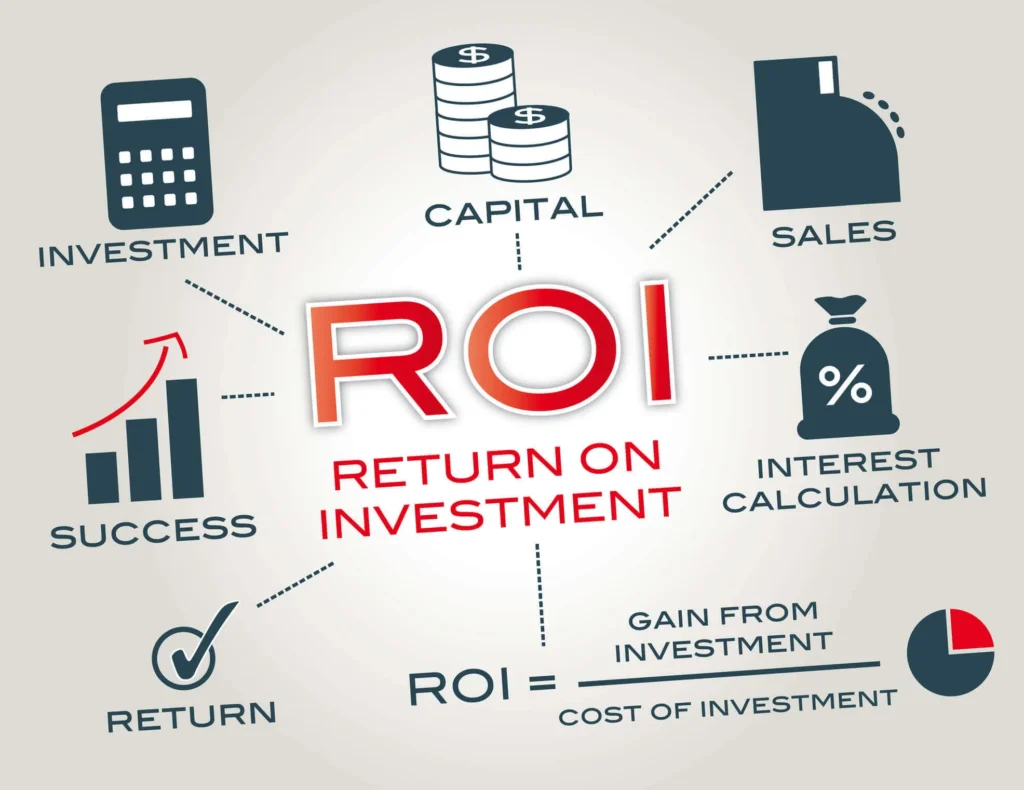
Most organisations run training. But not all organisations see results, real ROI doesn’t come from slides, certificates, or busy schedules.
It comes from behavioural change, performance improvement, and business impact.
A corporate training program that delivers ROI is one that transforms how people work, not just what they know. Whether your team is in Lagos, London, Australia, USA or anywhere in between, the principles are the same: clarity, alignment, relevance, and accountability.
- Start With the Problem, Not With the Training Idea
One of the biggest mistakes companies make is deciding the training topic before understanding the real problem.
Before choosing a facilitator or booking a hall, ask:
- What business challenge are we trying to solve?
- What skills are missing?
- What behaviours must change?
If the training does not solve a real business problem, it cannot deliver ROI, no matter how good it looks.
“SGE Optimisation: This section answers exact queries like “How do I design training that solves business problems?” and “How to align training with company goals?”
2️⃣ Define Clear, Measurable Outcomes
You cannot measure ROI if you don’t define success from the start.
Your outcomes should be:
Specific (e.g., reduce customer complaints by 20%)
Behaviour-based (e.g., improve communication clarity)
Time-bound (e.g., improvement in 60–90 days)
When training is tied to metrics, teams know the goals and managers know how to measure impact.
✔ Example:
Instead of “Improve leadership skills,” say:
“Managers should conduct weekly feedback sessions and reduce team conflict escalations by 40%.”
3️⃣ Build Training Around Real Workplace Scenarios
Employees learn better when training mirrors real life.
Use: Simulations, Case studies, Role plays, Real organisational data
Industry examples (Nigeria + UK context)
When training feels like “our everyday reality,” employees absorb faster and apply skills sooner.
4️⃣ Make It Skills-Focused, Not Slide-Focused
A common trap: 100 slides, zero transformation.
Real corporate training that delivers ROI teaches: Decision-making, Communication, Conflict resolution, Digital agility, Leadership behaviours, Customer experience improvement
Performance changes when skills change, not when people stare at screens.
5️⃣ Involve Managers Early — They Determine ROI
Managers are the bridge between training and performance.
If managers don’t reinforce the new behaviours, training fades after a week.
If managers participate, model the skills, and hold staff accountable… impact shows quickly.
🔹 Train your managers first.
🔹 Make them partners in behaviour change.
🔹 Give them tools to coach their teams.
6️⃣ Blend Learning, Don’t Rely on One Method
Today’s best corporate programs combine:
Instructor-led training, Microlearning, Coaching sessions, Self-paced modules, On-the-job assessment, Peer learning
People learn differently. When the approach is blended, adoption is higher — and ROI becomes measurable.
7️⃣ Track Behavioural Change (Not Just Attendance)
- Attendance is not ROI.
- Certificates are not ROI.
- Feedback forms are not ROI.
ROI is when:
- Customer satisfaction rises
- Errors reduce
- Sales improve
- Communication becomes stronger
- Team morale increases
- Productivity goes up
Measure behaviours before and after training, that’s where the real story lives.
8️⃣ Evaluate, Adapt, Improve — Training Is Never “One and Done”
The most successful organisations treat training like a cycle, not an event.
Review what works.
Remove what doesn’t.
Update content as the team and industry evolve.
This is how major companies in the UK and many other countries maintain high performance: continuous learning, continuous feedback, continuous improvement.
A corporate training program that delivers ROI is not based on hype — it is built on clarity, relevance, and measurable action.
When training is connected to real business needs, when employees practise actual skills, and when managers reinforce new behaviours, results become visible and long-lasting.
Training should not just educate — it should transform.
If you want impact, design intentionally.
If you want ROI, design wisely.
If you want growth, design for the people, not the slides.